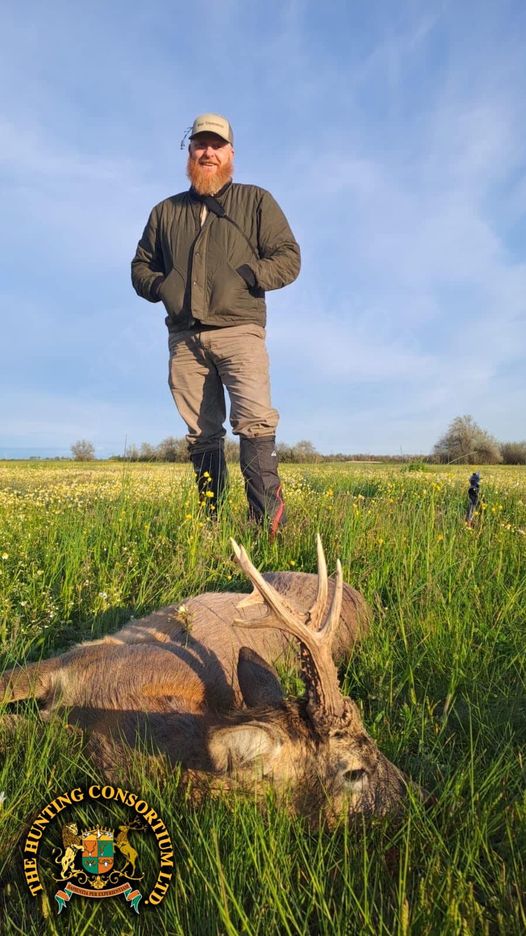
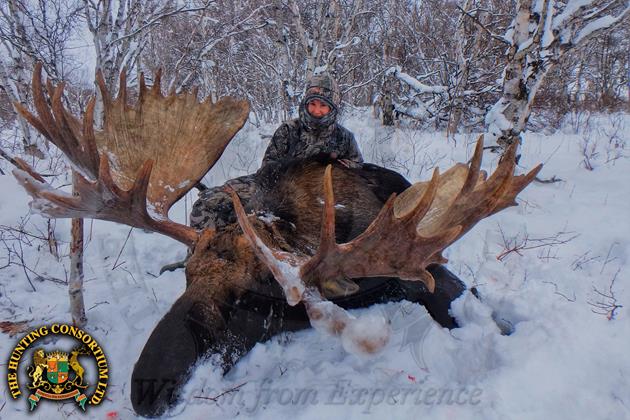
Krampus (Capra daemonis) is one of the most enigmatic and sought-after creatures in the hunting world. Known for his dual existence in myth and physical lore, Krampus is as much a cultural icon as he is a challenge for modern hunters. His association with Alpine traditions, dating back centuries, has made him a symbol of winter folklore, revered and feared for his role as both enforcer of morality and harbinger of consequences. For trophy hunters, pursuing Krampus is not just a test of skill and endurance but also an opportunity to claim one of the rarest and most prestigious prizes in the world. The creature’s elusiveness, combined with its limited population and seasonal activity, makes every Krampus hunt a tale of triumph for those fortunate enough to participate.
The Mystery of Krampus
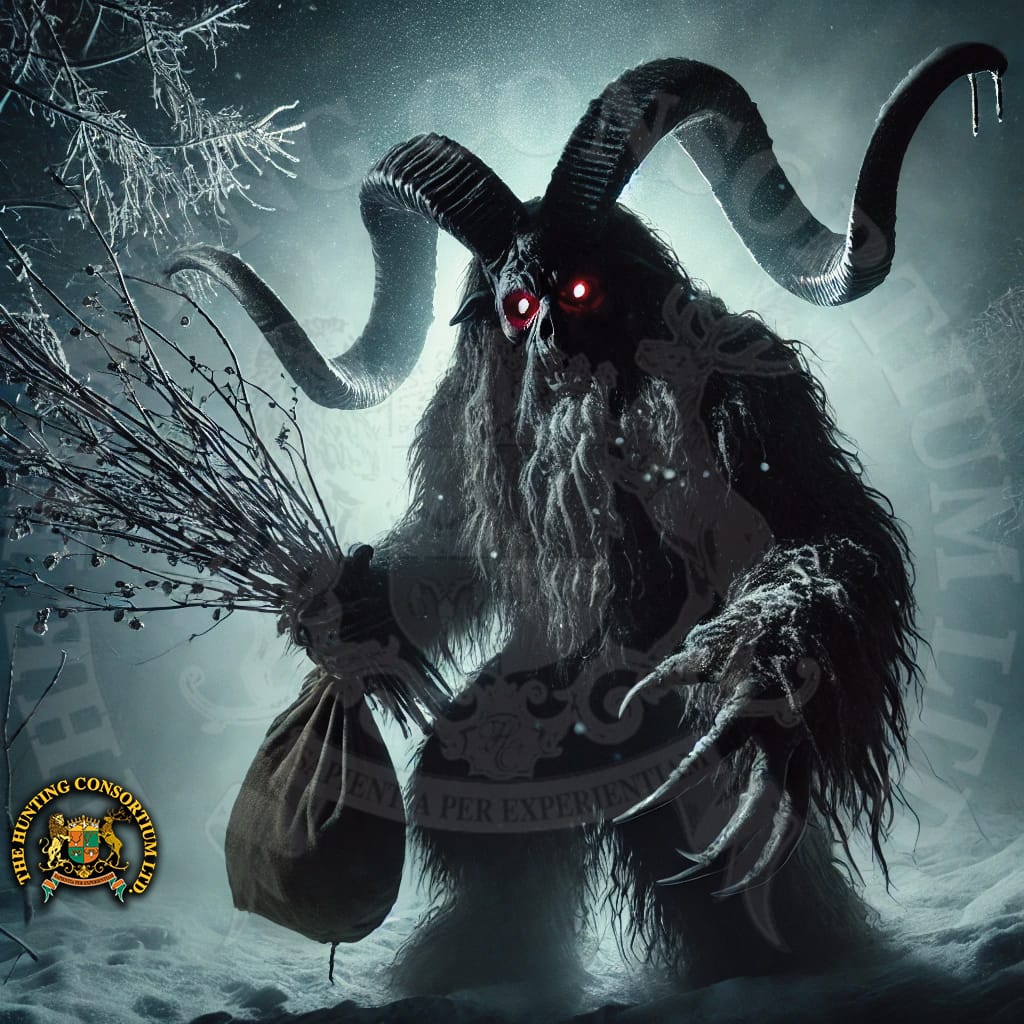
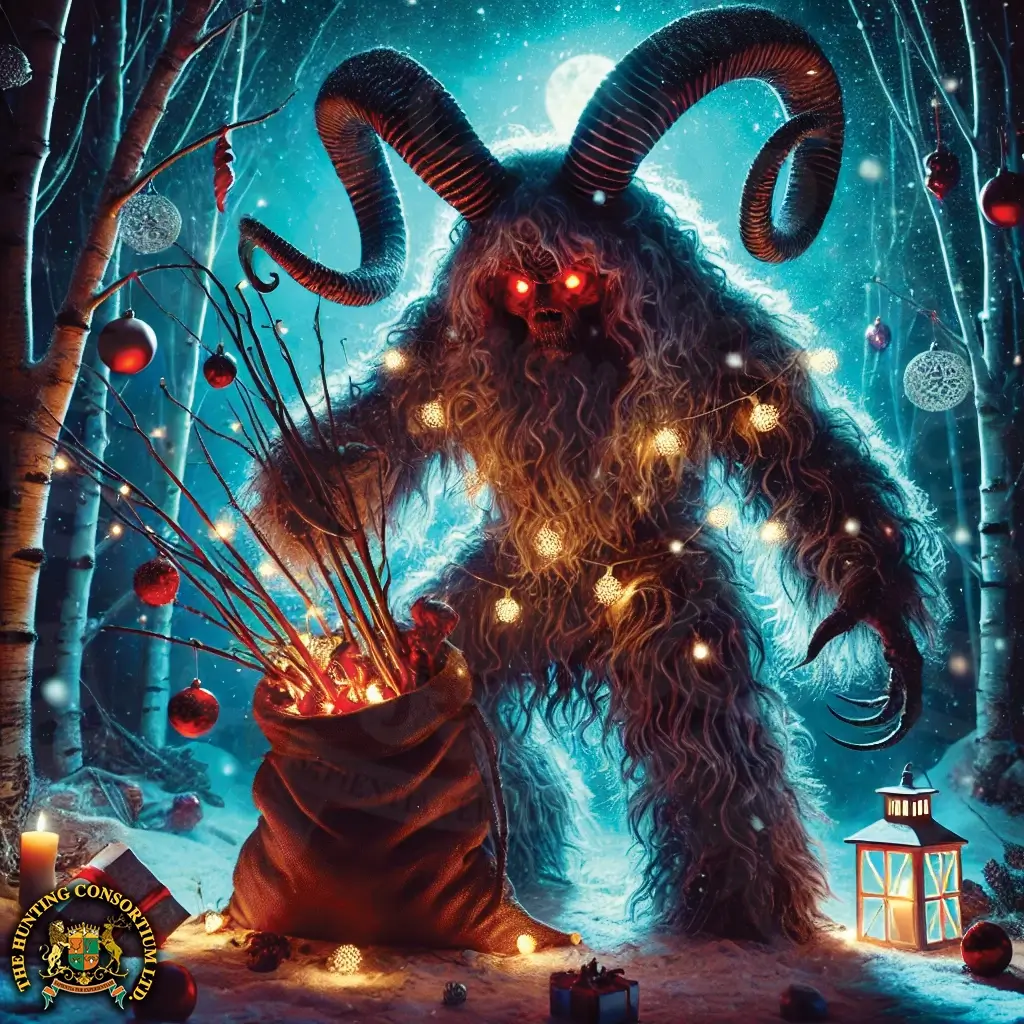
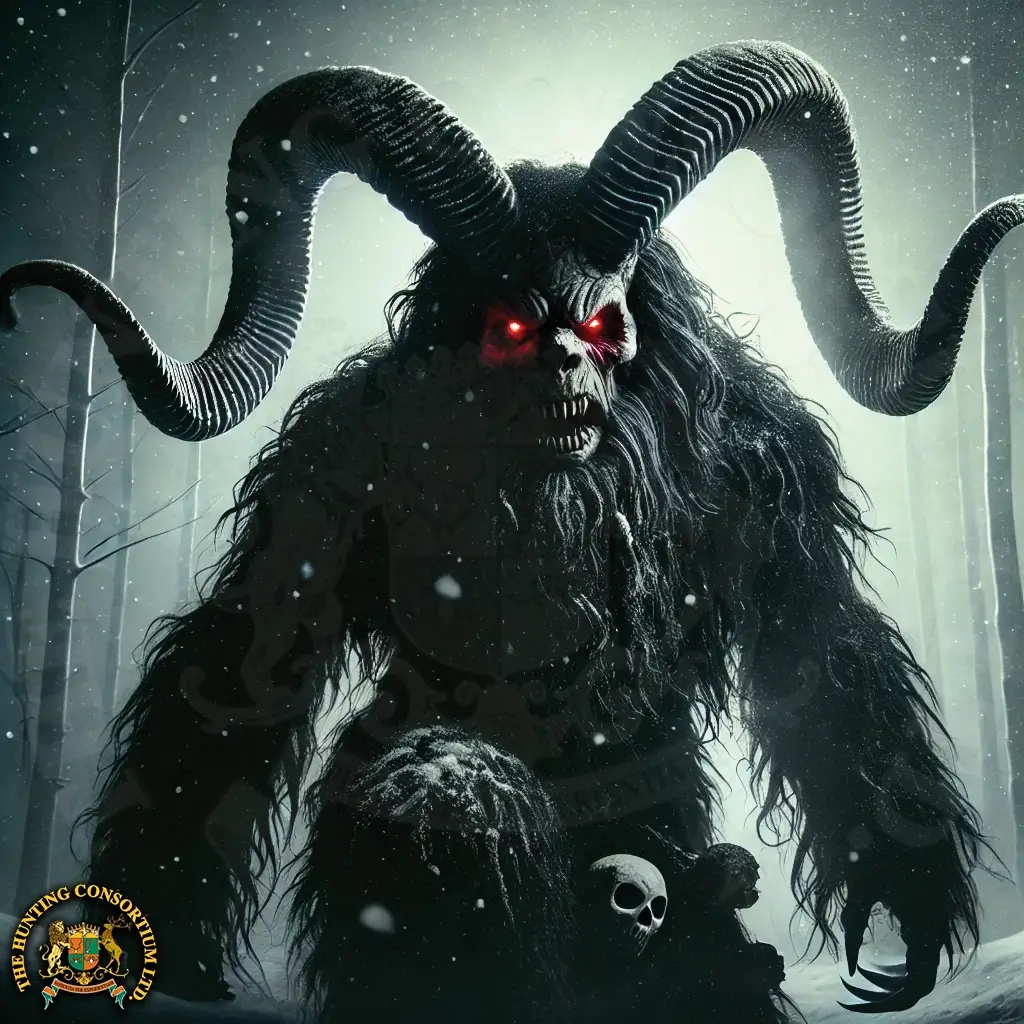
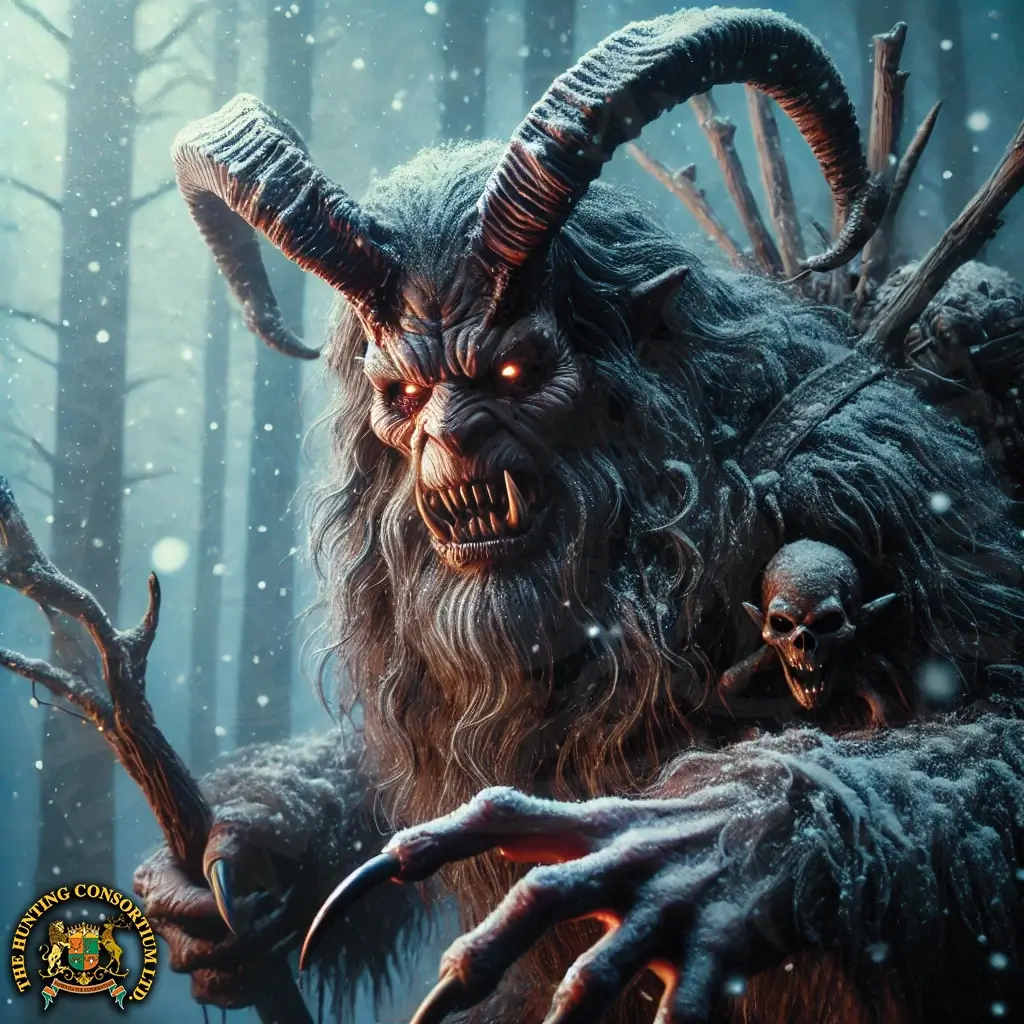
The Krampus legend originates in the Alpine regions of Central Europe, where tales of his nocturnal visits have been passed down for generations. Historically, Krampus was a figure of caution, designed to instill discipline in children during the winter season. However, modern sightings and evidence suggest that Krampus is more than mere folklore. With his towering, muscular frame, curling horns, and predatory claws, Krampus exhibits physical traits reminiscent of large mountain-dwelling ungulates, yet his intelligence and nocturnal behavior set him apart as a singular species. Adapted to survive in harsh winter climates, Krampus is known for his agility, acute senses, and ability to disappear without a trace. These characteristics make him an elusive target, heightening the thrill of the hunt.
Ethical Considerations in Krampus Hunting
Hunting Krampus is a privilege that comes with great responsibility. Given his low population numbers and the limited regions in which he is known to exist, sustainable hunting practices are imperative to ensure the species’ continued survival. Hunters are encouraged to adhere to strict quotas and to work with guides who respect the ecological and cultural significance of Krampus. Additionally, Krampus’s deep roots in folklore call for a balance between the pursuit of a trophy and a reverence for his mythological role. Hunters are reminded that the spirit of the hunt lies not only in the reward but in the respect for a creature that has captured the imagination of generations.
Krampus Hunting Methods and Opportunities
Hunting Krampus requires a combination of skill, preparation, and adaptability. With his limited range and elusive nature, Krampus presents a unique challenge for hunters seeking either traditional or guided expeditions. From the thrill of tracking him through dense, snow-covered forests to the strategic precision of nocturnal ambushes, each method demands a tailored approach. Seasonal behavior plays a critical role in determining hunting opportunities, as Krampus is most active during the winter months, particularly December through February. During this period, his heightened activity around human settlements and increased movement patterns offer hunters their best chance to track and engage this legendary species.
Tracking and Identifying Krampus
Effective Krampus hunting begins with recognizing the signs of his presence. Tracks resembling oversized goat hooves are often the first indicator, distinct in their deep imprint and wide spacing, suggesting a creature of considerable size and strength. Claw marks gouged into tree bark or rocky outcrops may also signal his passage, often accompanied by disturbed snow patterns or scattered birch branches. Hunters should focus on areas near alpine caves, dense coniferous forests, or secluded mountain passes, as these are Krampus’s preferred habitats. His migratory routes align with colder months, often intersecting with traditional holiday activity zones, providing additional opportunities for strategic encounters. Understanding his nocturnal behavior and territorial habits is essential for anticipating his movements and increasing the likelihood of a successful hunt.
Choosing Your Hunting Style
Spot-and-Stalk Hunting
This method involves actively tracking Krampus through alpine terrain by following hoofprints, claw marks, and other signs of his presence. It demands a high level of endurance, sharp observational skills, and familiarity with rugged landscapes. Hunters must be prepared to cover significant distances in challenging conditions while remaining stealthy and vigilant.
Tree Stand Hunting
For those who prefer a stationary approach, tree stand hunting near known paths or baited areas can be highly effective. Positioning in dense coniferous forests where Krampus is known to patrol at night increases the chances of a successful encounter. This method allows for extended observation and precise targeting during peak activity hours.
Night Hunting
Night hunting is particularly advantageous as Krampus is most active after dusk. Utilizing thermal optics or night vision technology, hunters can detect his movements even in low visibility. This method requires exceptional precision, patience, and familiarity with nocturnal hunting techniques to overcome the challenges of darkness and unpredictable behavior.
Essential Equipment
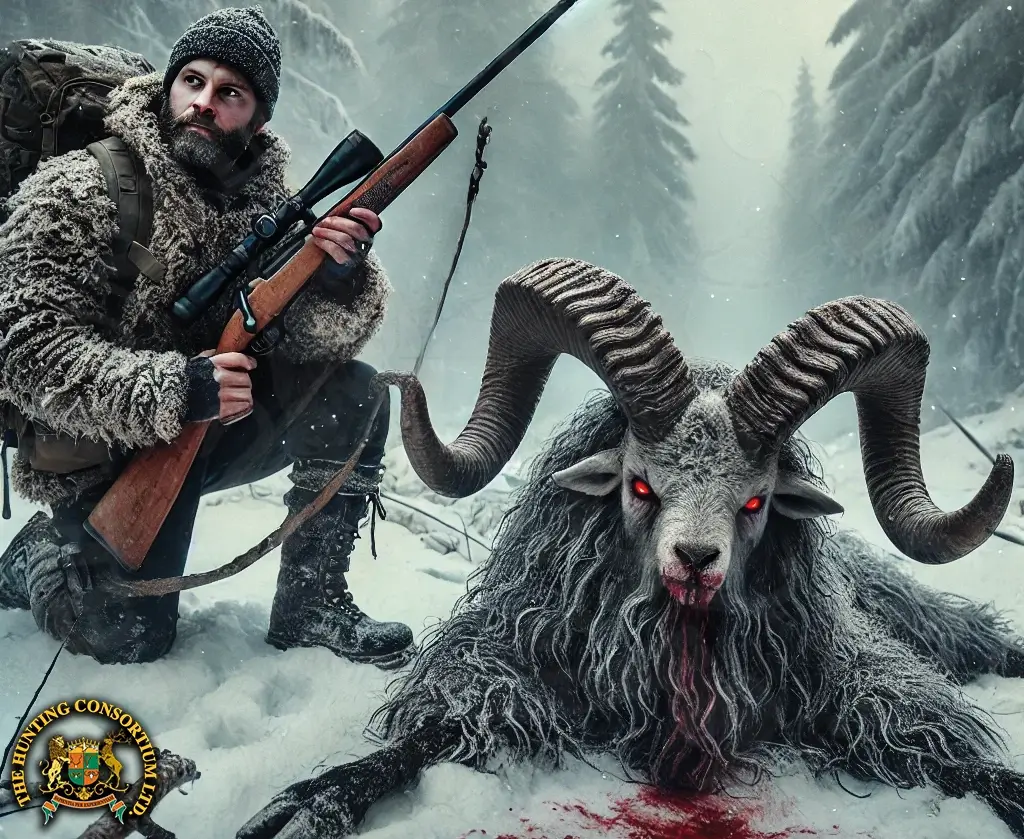
Success in Krampus hunting relies heavily on the right equipment. High-caliber rifles are ideal for long-range accuracy, while compound bows offer a stealthy and traditional option for skilled archers. Additional essentials include:
Insulated Clothing: To endure sub-zero temperatures during extended hunts.
Crampons: For safe navigation on icy or steep terrain.
Motion-Detecting Cameras: To monitor activity in potential hunting zones and plan ambushes effectively.
Each method and tool must be carefully chosen to adapt to the harsh environment and the cunning nature of this elusive quarry.
Frequently Asked Questions about Krampus Hunting
Q: What makes Krampus hunting different from other game species? A: Krampus is a highly elusive and intelligent species with deep roots in folklore, requiring advanced tracking skills and adaptability. Its limited population and challenging environment make it a rare and prestigious hunt.
Q: When is the best time of year to hunt Krampus? A: The prime hunting season is during the winter months, particularly December through February, when Krampus is most active and visible in snowy terrains.
Q: Where can I hunt Krampus? A: Krampus is typically found in the Alpine regions of Europe, including Austria, Germany, Slovenia, and northern Italy. Guided hunts often target secluded forests and mountainous areas.
Q: What are the physical traits of Krampus that help identify him? A: Krampus is a large, goat-like creature with curling horns, thick dark fur, and sharp claws. His tracks resemble oversized goat hooves, and claw marks on trees often signal his presence.
Q: Is Krampus dangerous to humans? A: Yes, Krampus is highly intelligent and territorial. While not inherently aggressive unless provoked, he is capable of defending himself with considerable strength and cunning.
Q: What equipment is recommended for Krampus hunting? A: Essential gear includes a high-caliber rifle or compound bow, insulated clothing, crampons for icy terrain, motion-detecting cameras, and thermal optics for night hunting.
Q: What hunting methods are most effective for Krampus? A: Spot-and-stalk hunting, tree stand ambushes, and night hunts using advanced optics are the most effective methods, depending on the terrain and Krampus’s behavior.
Q: Are there any legal or ethical concerns in hunting Krampus? A: Yes, due to his limited population, sustainable hunting practices and adherence to strict quotas are essential. Hunters should also respect local cultural traditions surrounding Krampus folklore.
Q: How physically demanding is a Krampus hunt? A: Krampus hunting is highly demanding, requiring excellent physical fitness to navigate rugged, icy terrain and endure cold conditions for extended periods.
Q: What kind of accommodations are available during a Krampus hunt? A: Options range from rustic alpine lodges with modern comforts to insulated winter tents for those seeking a wilderness experience.
Q: How long does a typical Krampus hunting trip last? A: Most trips are 5–7 days, allowing time for tracking, setting up ambushes, and adapting to weather and terrain challenges.
Q: Are guided hunts available for Krampus? A: Yes, guided hunts are highly recommended, as they provide expert trackers, localized knowledge of Krampus habitats, and logistical support.
Q: Can I use bait to attract Krampus? A: Yes, baiting with shiny objects, bells, or food scraps can be effective, especially near known patrol routes or tree stands.
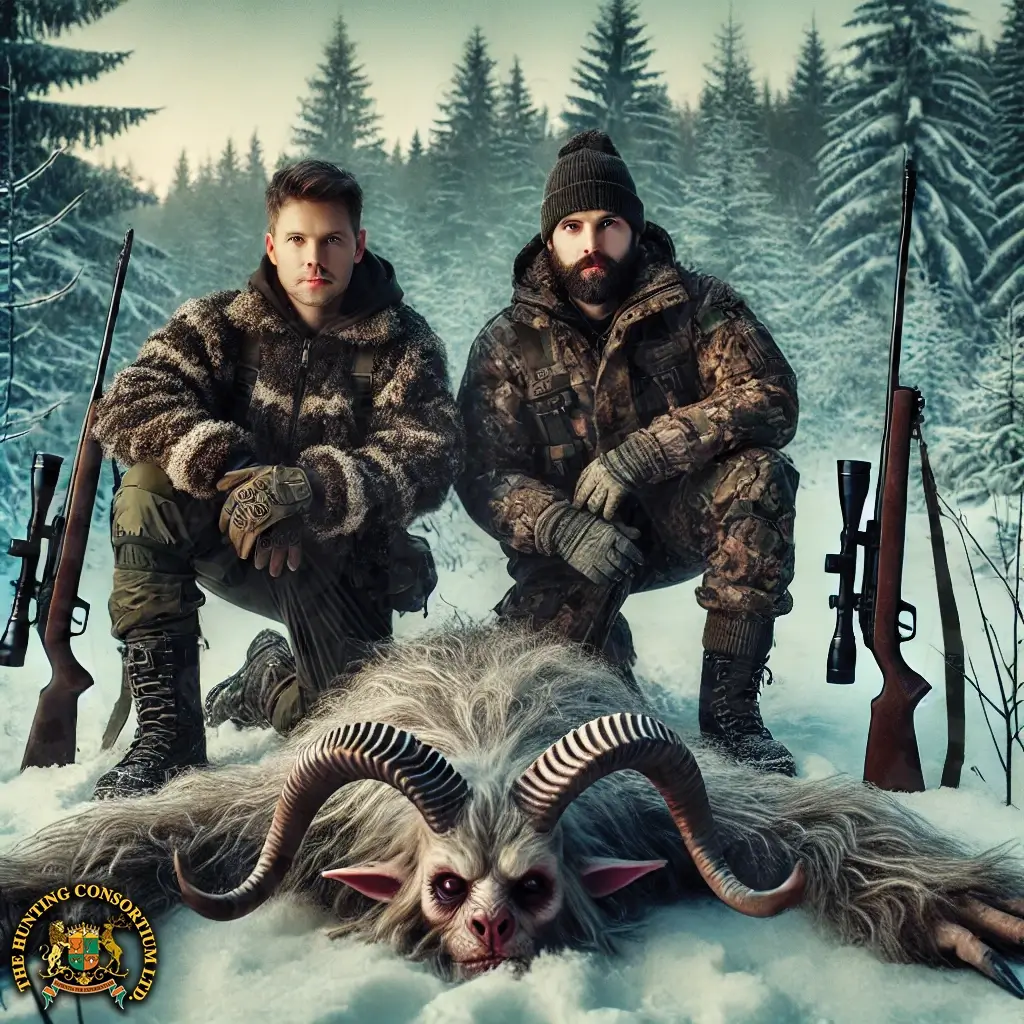
Q: What are the trophy parts of Krampus, and how are they measured? A: The most prized trophy parts are his horns, which average 36–48 inches in length, and his thick fur, valued for its unique texture and coloration.
Q: Are there any specific cultural considerations to keep in mind? A: Krampus is deeply rooted in Alpine folklore, so hunters are encouraged to approach the hunt with respect for its cultural significance and mythological heritage.
What Makes Krampus Hunts Unique?
Krampus hunting stands apart from other game pursuits due to its combination of myth, challenge, and exclusivity. Unlike typical quarry, Krampus is deeply embedded in Alpine folklore, making the hunt as much about engaging with cultural heritage as it is about the physical pursuit. His towering, goat-like frame, curling horns, and thick, dark fur make him a truly unique trophy, unmatched in the world of hunting. Additionally, his nocturnal and seasonal behaviors heighten the complexity of the hunt. Krampus’s peak activity during winter’s harshest months tests hunters’ resilience and skills, while his elusive nature and intelligence ensure that no two hunts are alike. The combination of physical prowess, strategic planning, and a touch of legend creates an experience that is unmatched in the hunting world.
Practical Tips for a Successful Hunt
Preparation is key to a successful Krampus hunt. Hunters should prioritize physical fitness, as trekking through alpine terrain demands both strength and endurance. Regular cardio and strength training are highly recommended to prepare for the steep inclines and icy conditions. Equipping oneself with high-quality gear, such as insulated clothing, crampons, and a reliable rifle or bow, is essential for both safety and effectiveness.
Safety considerations are paramount, given the remote and often treacherous hunting locations. Always hunt with a partner or guide familiar with Krampus habitats and ensure that a first aid kit and emergency supplies are part of your gear. Familiarity with Krampus’s behavioral patterns, such as his nocturnal tendencies and territorial habits, is vital for tracking and avoiding dangerous encounters. Finally, mental preparation is just as important—patience, adaptability, and a strategic mindset will make all the difference in conquering the challenges of a Krampus hunt.
Why Choose Hunting Consortium to Book Your Next Krampus Hunting Excursion?
A Legacy of Expertise and Excellence
For hunters seeking the ultimate adventure, Hunting Consortium offers unparalleled expertise and access to some of the most exclusive hunting experiences in the world. Since 1985, we have been an industry leader in organizing top-tier hunting expeditions, providing access to rare and unique species like the elusive Krampus. Our dedication to excellence, commitment to sustainability, and decades of experience make us the trusted choice for hunters looking to elevate their pursuits. Whether you’re a seasoned professional or embarking on your first mythical trophy hunt, Hunting Consortium ensures a seamless and unforgettable experience from start to finish.
Personalized Experiences Tailored to Your Goals
For nearly four decades, Hunting Consortium has set the gold standard in the global hunting industry. Our team of seasoned professionals combines extensive field knowledge with a passion for delivering exceptional service to every client. When it comes to Krampus hunting, our guides are intimately familiar with the creature’s habitat, behavior, and seasonal patterns, ensuring that you are well-prepared and positioned for success. From securing the best hunting permits to providing expert-led expeditions in prime Krampus territories, Hunting Consortium’s reputation for excellence speaks for itself.
At Hunting Consortium, we understand that no two hunters are alike. That’s why we offer fully customizable hunting packages designed to align with your goals, preferences, and skill level. Whether you prefer the thrill of a spot-and-stalk adventure, the precision of a tree stand setup, or the challenge of a nocturnal hunt, our team ensures every detail is tailored to your needs. We also provide comprehensive pre-hunt consultations, world-class accommodations, and post-hunt trophy care to make your Krampus hunting excursion a truly one-of-a-kind experience.